Friday, April 25, 2025

NEC Approves $90 Billion Agribusiness and Livestock Development Plan, Sets 2035 Target

 NEC Approves $90 Billion Agribusiness and Livestock Development Plan, Sets 2035 Target


The National Economic Council (NEC) has approved a sweeping $90 billion Agribusiness and Livestock Development Plan for Nigeria, aiming to unlock transformative economic value and position the country as a global player in agricultural exports by 2035.


*Key Highlights of the Plan*


*Economic Ambition*

The strategy is projected to generate between $74 billion and $90 billion in economic value by 2035, with a strong focus on modernizing Nigeria’s livestock sector and agribusiness value chains.


Global Export Drive: One of the plan’s central goals is to transform Nigeria into a major exporter of red meat, targeting lucrative markets in the Middle East and Asia.


*Job Creation and Security*

The initiative is designed to create jobs, boost internally generated revenue, and address the root causes of insecurity, particularly those linked to the current system of animal husbandry.


Strategic Pillars (2025–2026)


The plan prioritizes five critical pillars for immediate investment and reform:


Animal Health and Zoonoses Control


Feed and Fodder Development


Water Resources Management


Statistics and Information Systems


These pillars are intended to drive sustainable growth, enhance productivity, and ensure the sector’s resilience against disease and climate-related shocks.


*Institutional Reforms and Investments*


 NEC endorsed the formal transfer of N100 billion in previously approved funds to the newly established Federal Ministry of Livestock Development, empowering it to spearhead sector modernization.


 The plan calls for the creation of counterpart livestock ministries at the state level and full sub-national and private sector participation, ensuring a coordinated national approach.


Cotton, Textile, and Garment Development Board: In tandem, NEC approved the establishment of a regulatory board to revive the cotton, textile, and garment industry, which once powered Nigeria’s economy. This board will include representatives from all six geopolitical zones and relevant ministries, be domiciled in the Presidency, and funded through the Textile Import Levy.


Green Imperative Project (GIP): NEC approved the creation of a national GIP office in Abuja and regional offices across the six geopolitical zones to support agricultural mechanization and food production.


National Agribusiness Policy Mechanism: The Council formalized support for this mechanism to drive policy coherence and attract investment.


Vice President Kashim Shettima, who chaired the NEC meeting, emphasized that these measures are part of President Bola Tinubu’s economic revival agenda. He described the Council as “architects of a sustainable future,” urging a focus on tangible results rather than rhetoric.


“Our people do not evaluate us by the elegance of our policies, but by the evidence of their impact. Let us rise above partisan interests and regional divisions and focus on what truly matters—building a nation that delivers for all.” — Vice President Kashim Shettima


NEC called for robust monitoring of implementation, including field visits by the NEC Implementation Monitoring Committee, to ensure that policy translates into measurable impact for Nigerians.


*Summary Table: Main Features of the $90 Billion Plan*


Target Economic Value $74–$90 billion by 2035

Main Goal Transform Nigeria into a global red meat exporter

Priority Pillars (2025–2026) Animal health, feed/fodder, water, data, breed improvement.


*Key Institutional Reforms*


New Federal Ministry, state-level ministries, regulatory board

Supporting Projects Green Imperative Project, National Agribusiness Policy Mechanism

Funding Mechanisms N100bn transfer, Textile Import Levy

Stakeholder Involvement Federal, state, private sector, and foreign investors

This ambitious plan marks a significant step toward reviving Nigeria’s agricultural and livestock sectors, with the potential to drive economic growth, job creation, and national security over the next decade.


Thursday, April 24, 2025

Taraba Receives 20,000 Bags of Rice from Dangote Foundation to Ease Hardship

 Taraba Receives 20,000 Bags of Rice from Dangote Foundation to Ease Hardship


The Aliko Dangote Foundation has donated 20,000 bags of rice to Taraba State as part of efforts to cushion the impact of economic hardship on residents. Each bag weighs 10 kilograms and will be distributed across the state's 16 local government areas.


The consignment was officially received by the Chairman of the Distribution Committee, Hon. Sale Sa’ad, alongside members of the committee and all 16 local government chairmen, led by Hon. Dr. Aminu Hassan.


The gesture by the Dangote Foundation is aimed at supporting vulnerable households and mitigating the effects of the current economic challenges in the state.


Sussan David

Thursday, April 17, 2025

FAAC Distributes N1.578 Trillion for March 2025 as Revenue Allocations Decline for Third Consecutive Month


FAAC Distributes N1.578 Trillion for March 2025 as Revenue Allocations Decline for Third Consecutive Month


The Federation Account Allocation Committee (FAAC) has distributed a total of N1.578 trillion among the Federal Government, states, and local government areas for March 2025. 


This marks the third consecutive monthly decline in revenue allocations this year, with the March figure dropping from N1.678 trillion in February and N1.703 trillion in January.


Breakdown of March 2025 Allocation:


Statutory Revenue: N931.325 billion


Value Added Tax (VAT): N593.750 billion


Electronic Money Transfer Levy (EMTL): N24.971 billion


Exchange Difference Revenue: N28.711 billion.


From the total distributable sum:


The Federal Government received N528.696 billion


State governments received N530.448 billion


Local government councils got N387.002 billion


Oil-producing states received N132.611 billion as 13% derivation revenue.


The gross revenue available for March was N2.411 trillion. After deductions for collection costs (N85.376 billion) and transfers, interventions, and refunds (N747.180 billion), the distributable amount stood at N1.578 trillion.


Trend and Context:

Despite the gross statutory revenue for March (N1.718 trillion) being higher than February's (N1.653 trillion), the overall distributable amount has continued to decline, largely due to higher deductions and lower VAT revenue. VAT collections for March were N637.618 billion, down from N654.456 billion in February.


This downward trend comes after a record year in 2024, when FAAC allocations soared by 43% to N15.26 trillion, driven by fiscal reforms such as fuel subsidy removal and foreign exchange adjustments.


Tuesday, April 15, 2025

Tinubu Declares National Emergency on Food Security to Tackle Inflation and Revitalize Agriculture

 Tinubu Declares National Emergency on Food Security to Tackle Inflation and Revitalize Agriculture


In a decisive move to address Nigeria’s escalating food crisis, President Bola Ahmed Tinubu has officially declared a national emergency on food security. 


This declaration comes amid rising food prices, inflationary pressures, and growing concerns over the country’s ability to feed its rapidly expanding population.


*Addressing Inflation and Food Prices*

The President’s announcement underscores the urgent need to stabilize food prices, which have surged in recent months, putting immense pressure on Nigerian households. Inflation, particularly in the food sector, has been a major contributor to the overall economic challenges facing the country. 


By declaring a national emergency, the government aims to prioritize food security in its policy agenda and mobilize resources to ensure affordable and accessible food for all Nigerians.


*Revitalizing Agriculture*

Central to this emergency declaration is a renewed focus on revitalizing Nigeria’s agricultural sector. 


The government plans to implement a series of strategic interventions, including increased investment in agricultural inputs, support for smallholder farmers, and the promotion of modern farming techniques. These measures are designed to boost domestic food production, reduce reliance on imports, and create sustainable livelihoods for millions of Nigerians.


*Government’s Strategic Plan*

President Tinubu’s administration is expected to roll out a comprehensive food security plan that involves collaboration with key stakeholders such as the Ministry of Agriculture, private sector players, and international development partners. 


The plan will also emphasize infrastructure development, improved supply chains, and enhanced access to credit for farmers.


*Impact on Nigerians*

The national emergency declaration is a clear signal of the government’s commitment to tackling one of the most pressing challenges facing the country. It aims to alleviate hunger, reduce poverty, and ensure that every Nigerian has access to sufficient, safe, and nutritious food.


As Nigeria confronts the realities of food insecurity and inflation, President Tinubu’s declaration marks a critical turning point. The success of this initiative will depend on effective implementation, sustained political will, and active participation from all sectors of society. 


The government’s proactive stance offers hope for a more food-secure future for Nigeria.


Wednesday, April 9, 2025

UPDATE ON THE CRUDE AND REFINED PRODUCT SALES IN NAIRA INITIATIVE

 UPDATE ON THE CRUDE AND REFINED PRODUCT SALES IN NAIRA INITIATIVE


The Technical Sub-Committee on the Crude and Refined Product Sales in Naira initiative has today convened an update meeting held in Abuja with the Honourable Minister of Finance and Coordinating Minister of the Economy, Mr. Wale Edun, presiding. The meeting reviewed progress and addressed ongoing implementation matters.


The stakeholders reaffirmed the government's commitment to the full implementation of this strategic initiative, as directed by the Federal Executive Council (FEC). It stated that the Crude and Refined Product Sales in Naira initiative is a key policy directive designed to support sustainable local refining, bolster energy security, and reduce reliance on foreign exchange in the domestic petroleum market.


The Committee acknowledges that implementation challenges may arise from time to time. However, such issues are being actively addressed through coordinated efforts among all relevant parties. The initiative remains in effect and will continue for as long as it aligns with the public interest and supports the national economy.


The meeting was attended by the Chairman of the Implementation Committee, the Honourable 

Minister of Finance and Coordinating Minister of the Economy, Mr. Wale Edun; the Chairman of the Technical Sub-Committee and Executive Chairman of the Federal Inland Revenue Service (FIRS), Dr. Zacch Adedeji; the Chief Financial Officer of NNPC Limited, Mr. Dapo Segun; the Coordinator of NNPC Refineries; Management of NNPC Trading; representatives of Dangote Petroleum Refinery and Petrochemicals; and senior officials from the Nigerian Upstream Petroleum Regulatory Commission (NUPRC), the Nigerian Midstream and Downstream Petroleum Regulatory Authority (NMDPRA), the Central Bank of Nigeria (CBN), the Nigerian Ports Authority (NPA), representative of Afreximbank, as well as the Secretary of the Committee, Hauwa Ibrahim.


The meeting underscored the government's commitment to the Crude and Refined Product Sales in Naira initiative, a strategic move expected to have a lasting impact on Nigeria's economy, fostering growth, stability, and self-sufficiency. This bold step positions Nigeria for success in the years to come


Monday, April 7, 2025

CBN Injects $197.71m to Stabilize Naira Amid Trump Tariffs and Oil Price Decline*

 CBN Injects $197.71m to Stabilize Naira Amid Trump Tariffs and Oil Price Decline


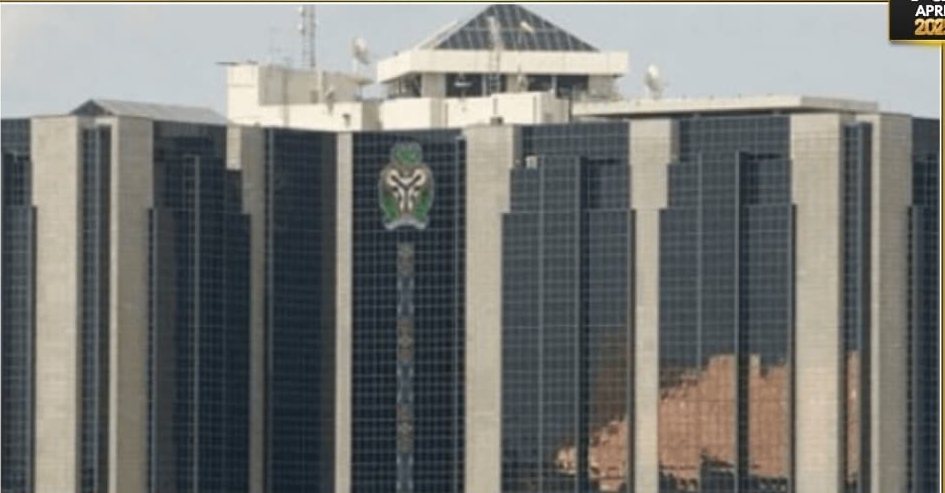
In a decisive move to stabilize Nigeria's foreign exchange market, the Central Bank of Nigeria (CBN) has injected $197.71 million into the market. This intervention comes as global markets face disruptions following the imposition of a 14% import tariff on Nigerian products by U.S.


President Donald Trump. The tariffs have weakened the naira and compounded challenges for Nigeria's oil-dependent economy.


*Impact of Trump’s Tariffs*

The new U.S. tariffs have triggered significant adjustments in global markets, particularly affecting emerging economies like Nigeria. 


The naira has seen increased volatility against the dollar in recent days, reflecting broader macroeconomic shifts. 


According to Omolara Duke, CBN’s Director of Financial Markets Department, these tariffs have added pressure to Nigeria’s foreign exchange market dynamics.


*Decline in Crude Oil Prices*

Adding to the strain is a sharp decline in crude oil prices, which fell by over 12% to approximately $65.50 per barrel. As an oil-exporting nation, Nigeria faces reduced revenue from crude exports, further complicating its economic outlook.


*CBN’s Response*

To counter these challenges, the CBN facilitated market activity on April 4, 2025, by injecting $197.71 million through sales to Authorized Dealers. This action aligns with the Bank’s commitment to ensuring liquidity and maintaining orderly market functioning. 


Duke emphasized that this step is part of CBN’s broader strategy to foster a stable and transparent foreign exchange framework capable of adapting to evolving global conditions.


*Future Outlook*

The CBN assured stakeholders that it will continue monitoring both domestic and international market trends while adhering to principles outlined in the Nigeria FX Market Code. 


Authorized Dealers have been urged to maintain high standards in their dealings, ensuring confidence in Nigeria’s financial system.


As the country navigates these economic headwinds, the CBN’s intervention underscores its proactive approach to safeguarding the naira and stabilizing the economy amid global uncertainties. 


The coming weeks will reveal whether these measures can mitigate the impacts of Trump’s tariffs and declining oil prices on Nigeria’s financial stability.


Reporter *Caleb James*

Sunday, April 6, 2025

Education Minister Proposes Two-Year NYSC Scheme and Expanded Skill Training Program

 *Education Minister Proposes Two-Year NYSC Scheme and Expanded Skill Training Program*


 Nigeria’s Minister of Education, Dr. Olatunji Alausa, has proposed extending the National Youth Service Corps (NYSC) program from its current one-year duration to two years. 


The announcement was made during a meeting on Friday with the NYSC Director-General, Brigadier General Olakunle Nafiu, at the minister’s office in Abuja.


*Details of the Proposal*

Dr. Alausa emphasized that the extension would provide corps members with more time to acquire critical skills through the NYSC’s Skill Acquisition and Entrepreneurship Development (SAED) program. The expanded program aims to better prepare young Nigerians for self-reliance by equipping them with entrepreneurial tools and professional training necessary for job creation and economic growth.


The minister also highlighted the importance of deploying more graduate teachers to rural areas, addressing manpower shortages in underserved communities. 


He praised the NYSC for its digital reforms, particularly in curbing certificate fraud among foreign-trained graduates, and called for further collaboration between the Ministry of Education and NYSC to enhance national service outcomes.


*Rationale Behind the Extension*

Dr. Alausa argued that a two-year service period would allow corps members to gain deeper insights into Nigeria’s diverse needs while contributing more meaningfully to national development. 


He noted that the longer duration would also align with efforts to tackle youth unemployment by fostering innovation and entrepreneurship.


*Reactions and Next Steps*

Brigadier General Nafiu commended the minister’s vision, expressing optimism about the potential impact of these reforms. He also suggested creating a database to track Nigerian students abroad, ensuring better coordination for national service.


The proposal is expected to spark nationwide discussions as stakeholders evaluate its feasibility and implications. 


While some have welcomed the initiative as a step toward youth empowerment, others have raised concerns about its practicality and potential challenges.


As Nigeria continues to address pressing issues such as unemployment and skill gaps among its youth, this proposal represents a significant shift in policy direction.


Whether or not it gains approval, it underscores the government’s commitment to leveraging national service as a tool for development.


It doesn't cost a lot of money': Remi Tinubu asks Nigerians to start akara, roasted corn businesses

  Nigeria's First Lady, Senator Oluremi Tinubu, has urged Nigerians to consider starting small businesses such as selling akara, roasted...